Chinese Translation Services
The Translation Company provides professional Chinese translation services from English to Chinese and Chinese to English for law firms, manufacturers, technology companies, healthcare organizations, government agencies, schools, and businesses.
Since 2005, we have translated legal documents, technical manuals, medical materials, business communications, and certified documents for official use. Our linguists tailor translations to your audience’s script and regional terminology: Simplified Chinese for Mainland China and Singapore, and Traditional Chinese for Taiwan and Hong Kong. For Chinese-speaking communities in the United States, we help identify the appropriate version for your audience.
We also provide Chinese website and software localization, along with Mandarin and Cantonese interpreting for meetings, legal proceedings, and medical appointments.
Why organizations choose us for Chinese: a WBENC-certified women-owned company, operating to ISO 9001 and 17100 standards, corporate member of the American Translators Association, serving clients since 2005.
Qualified buyers can book a complimentary consultation with our CEO to scope a Chinese translation program before any commitment.
Chinese Translation Options
Choose the service that fits how your Chinese translation will be used, including any certification requirements from the receiving institution.

Chinese Translation Pricing, Turnaround, and Delivery
We tailor pricing and delivery schedules to your project, including urgent requests whenever possible. Share your files, translation direction, intended audience, and preferred deadline when requesting a quote so we can confirm the cost, schedule and delivery format.

What Affects the Cost?
Your project’s cost depends on its length, subject matter, translation direction, deadline, and file-format requirements. Certification, scanned documents, additional formatting, and delivery in both Simplified and Traditional Chinese can also affect the scope. Upload your files for a quote, or visit our translation pricing guide for background on how translation costs are calculated.
When Will My Translation Be Ready?
Include your deadline when requesting a quote. Turnaround depends on document length, complexity, certification, and formatting requirements. We review your files and confirm a delivery schedule, including urgent requests whenever possible. Let us know about any court, application, publication, or event deadline so we can assess the available options.
How Will My Translation Be Delivered?
Tell us how you plan to use the finished translation and which file format you need, such as Word, PDF, or the original editable format. Identify any requirements for a signed certification statement, a printed copy, or a layout that follows the original. Your quote should specify the agreed deliverables, delivery method, and any additional formatting or shipping charges.
How to Get Your Documents Translated

Set up your project.
On our Quote page, select your source and target languages, turnaround, and translator specialty. Upload your documents or enter a word count. Provide clear, complete scans or photos, or editable source files when available. Include your intended audience, preferred Chinese script, and any certification requirements. If you are unsure which script you need, tell us where the translation will be used.
Review your quote.
Review the pricing, delivery date, file formats, and any certification or formatting services included, then follow the steps to place your order. Share preferred terminology, reference translations, or instructions from the receiving institution before work begins.
Receive your Chinese translation.
Our team translates and reviews your documents, then delivers the completed files in the agreed format. Review the translation and let us know if you have questions or need corrections.
Simplified and Traditional Chinese: Choosing the Right Version
We help you choose the Chinese script and regional terminology that fit your audience. Simplified Chinese is generally used in Mainland China and Singapore, while Traditional Chinese is used in Taiwan and Hong Kong. For Chinese-speaking communities in the United States, we recommend the appropriate version based on your specific audience and reading preferences.
Script is only part of the choice. A contract for Shanghai and a package insert for Taipei also require different terminology and regional conventions. We assign translators familiar with your target market and can provide both scripts when needed.
Mandarin and Cantonese refer to spoken language varieties, rather than writing systems. If your project includes interpreting, audio, or video, we also confirm which spoken variety your audience needs.
Explore our English to Chinese translation and the Chinese to English translation pages, or learn more about our Mandarin translation and Cantonese translation.
Chinese Translation by Industry




What We Translate Between English and Chinese
Across these industries, the document types we handle most often include the following:
- Contracts, agreements, and corporate filings
- Litigation and discovery documents, judgments, and certificates
- User manuals, engineering drawings, and technical specifications
- Regulatory submissions and clinical documentation
- Financial statements, audits, and investor materials
- Employee handbooks, policies, and HR communications
- Marketing content, presentations, and training materials

Related Chinese Language Services

Chinese Interpreting: Mandarin and Cantonese
Interpreting is delivered in-house, not brokered. We provide Mandarin and Cantonese interpreters over the phone, by video, and on-site for depositions, negotiations, conferences, medical appointments, and public meetings, and we own the simultaneous-interpreting equipment that conference work requires. If your Chinese program includes spoken settings as well as documents, one provider covers both. See our interpretation services for formats and logistics.

Chinese Localization
Software, websites, apps, and e-learning content need more than translation to work in Chinese markets: character sets and fonts, date and number formats, regional imagery, and user-interface length constraints all change between Simplified and Traditional targets. Our localization practice handles engineering-aware Chinese adaptation for digital products; see our localization services for the full workflow across software, websites, apps, and e-learning.
Our Chinese Translation Quality Process
Every Chinese project runs through translation, editing, and proofreading (TEP) by separate linguists, with a project manager accountable for terminology, schedule, and query management, operating to ISO 9001 and 17100 standards. Where the content profile fits, we also offer machine translation with professional post-editing (MTPE) as a deliberate choice: high-volume, lower-risk content can move faster and cost less, while contracts, filings, clinical content, and anything a court or regulator will read stays fully human. We advise which workflow fits which content, and we put that judgment in writing before work begins.

Review and Corrections
Please review your translation within 30 days of receipt and notify us of any requested corrections. We correct errors made by our team at no charge. Changes to the original content or requests based on style and vocabulary preferences may incur additional fees, as explained in our service agreement.
Confidential Handling of Your Chinese Documents
If your project contains confidential business information, identify it in writing and tell us about any handling requirements before submitting your files. Our service agreement sets out the confidentiality provisions that apply to information identified as confidential, including specified exceptions.
Review our service agreement or contact our team to discuss your project’s requirements.

Google Reviews from Our Clients


Frequently Asked Questions About Chinese Translation
1. Do you translate Chinese legal documents into English for US courts?
Yes. Chinese-to-English legal document translation for litigation, discovery, and filings is the largest part of our Chinese practice, with certification included when the court requires it.
2. Should my document be Simplified or Traditional Chinese?
It depends on the audience: Simplified for Mainland China and Singapore, Traditional for Taiwan and Hong Kong. For US Chinese-speaking communities we advise based on your specific audience, and we can deliver both scripts from one source.
3. Mandarin or Cantonese: which do I need for interpreting?
Mandarin serves most Mainland and Taiwan settings; Cantonese serves Hong Kong and many US Chinatown communities. We staff both, over the phone, by video, and on-site.
4. Are your certified Chinese translations accepted by US courts and agencies?
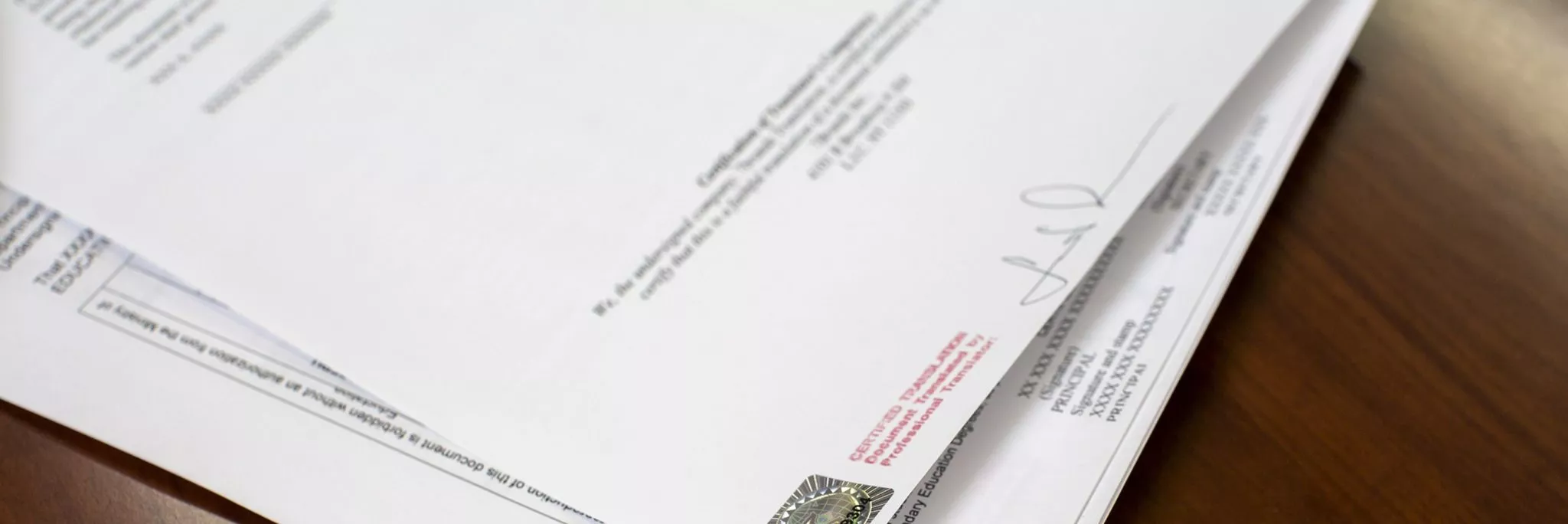
Yes. Certified translations include a signed statement of accuracy from the translation provider, prepared to the requirements of the receiving court, agency, or institution.
5. Can you handle English-to-Chinese and Chinese-to-English in the same project?
Yes. Bidirectional programs are common in litigation and in China-market operations, and the same project manager coordinates both directions with a shared terminology base.
6. How do we start?
Send your files through our Start a Project page and include your translation direction, intended use, and deadline. For ongoing programs or projects that need discussion, you may book a complimentary consultation with our CEO.
Planning an ongoing Chinese translation program or a project with complex requirements? Schedule a complimentary consultation with our CEO, Camila Saunier, to discuss your audience, workflow, and goals.